
The growing search interest around phrases such as “buy magic mushrooms” reflects a significant cultural shift in public curiosity about psychedelic substances. While this interest is understandable, given the increasing number of scientific studies exploring psilocybin’s potential therapeutic benefits, it is crucial to remember that psilocybin-containing mushrooms remain illegal in most jurisdictions. Because of this, any meaningful discussion must begin with legal awareness and emphasize safety, research, and the broader social context rather than attempting to direct anyone toward acquisition.
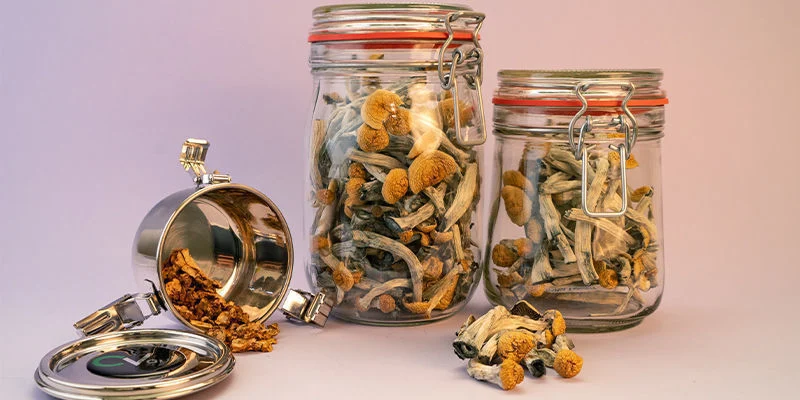
Magic mushrooms have been used https://johnpharmauk.com/product/buy-magic-mushrooms/ for centuries in spiritual and ceremonial practices by various cultures. Their modern resurgence, however, is largely rooted in scientific inquiry into mental health treatments. Researchers from respected institutions have published findings suggesting psilocybin may help individuals cope with depression, existential anxiety, addiction, and trauma. These promising results have sparked widespread interest, but they are not an endorsement of unsupervised or unregulated use. Instead, they highlight how important structured environments, professional support, and controlled dosing are to the study of psychedelic-assisted therapy.
Even though interest continues to grow, the legal landscape remains complicated. In many countries, it is illegal to possess, cultivate, distribute, or attempt to buy magic mushrooms. Penalties can vary from fines to imprisonment, depending on location and circumstances. Some cities and regions have taken steps to decriminalize possession of small amounts, meaning that penalties are reduced or deprioritized, but decriminalization is not the same as legalization. It does not create legal markets or make buying psilocybin lawful. Understanding this distinction is essential for anyone attempting to educate themselves on the subject.
A small number of jurisdictions have introduced clinical psilocybin therapy programs, where the substance is administered by licensed professionals in carefully monitored settings. These programs do not involve personal purchasing, nor do they allow individuals to obtain psychedelics independently. Instead, they are part of emerging medical systems intended to evaluate whether psilocybin can be safely integrated into therapeutic models. Participants are screened for mental health conditions, briefed thoroughly on the experience, and guided throughout the session by trained clinicians. This structure is designed to reduce risks and ensure the experience is as therapeutic as possible.
Safety remains a central concern. Magic mushrooms can significantly alter perception, mood, and cognitive processes. For some individuals, these effects may be enlightening, but for others they can be confusing, frightening, or destabilizing. The setting, the individual’s mindset, and their psychological history play major roles in determining how a psychedelic experience unfolds. Because of these variables, experts consistently recommend that psilocybin—where legally accessible—be used only in supervised environments.
As discussions about psychedelics continue to evolve, the most responsible approach centers on education rather than acquisition. Learning about legal structures, scientific research, cultural history, and therapeutic frameworks allows individuals to engage with the topic thoughtfully. Rather than attempting to buy magic mushrooms, it is far safer and more beneficial to understand the complexities surrounding them and to follow legal and evidence-based pathways as they develop.